
Braces and teeth aligners for teeth straightening
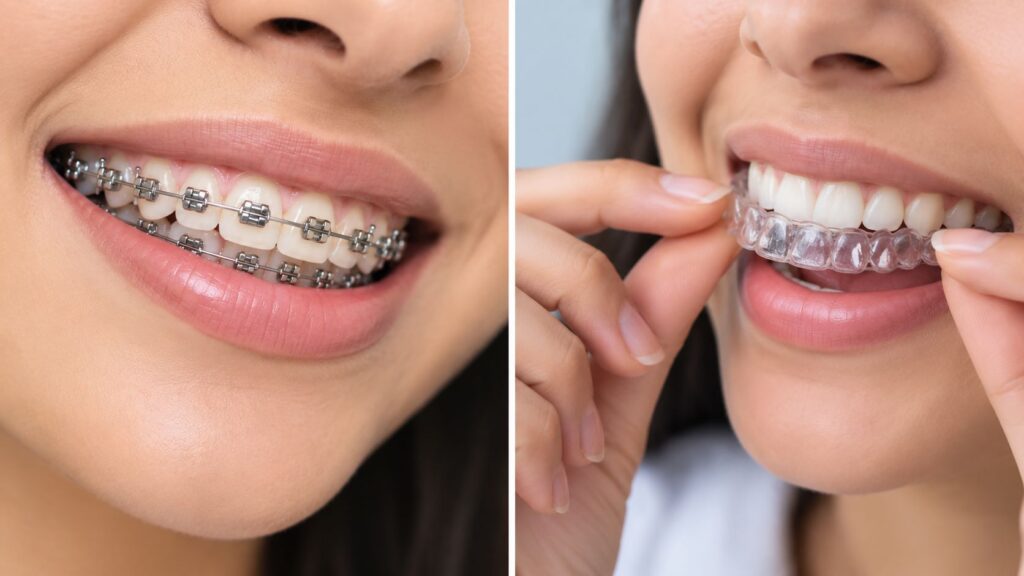
Braces and teeth aligners are orthodontic treatment helps correct teeth and jaws that are not properly positioned. It can improve alignment, close gaps, straighten crooked teeth, correct improper bites and support better oral function, including eating and speech.
The choice between braces and teeth aligners depends on the type of tooth movement required, the complexity of the case and how the treatment fits into your daily routine. Some alignment problems may be better managed with fixed braces, while clear aligners may be suitable for selected cases. An orthodontic assessment helps determine which option can address your specific concerns and whether any additional treatment is needed before starting.
Depending on the dental concern, braces and teeth aligners treatment may involve –
- Fixed braces
- Invisible braces
- Clear aligners.
Benefits of Braces treatment
Braces can do more than improve the appearance of your smile.
The benefits are –
- Improved tooth alignment to create a brighter and balanced smile.
- Better oral hygiene as aligned teeth are easier to clean and helps to reduce the risk of cavities and gum disease.
- Improved bite function helps to correct overbites, underbites and crossbites.
- Reduced uneven tooth wear can help in protecting the enamel and reduce the risk of jaw discomfort or TMJ-related problems.
- Improved speech as speech patterns are affected by misaligned teeth.
- Long-term results can provide lasting improvements in tooth alignment and overall smile appearance
Ideal age to start the Braces treatment
Braces can be started as early as 9 years of age, depending on the underlying orthodontic problem. However, the appropriate time to begin treatment varies from person to person and depends on factors such as dental development, tooth alignment and the specific concern being addressed.
- An early orthodontic assessment can help in identifying alignment or bite problems to determine when the treatment should begin.
- While treatment is often considered after most permanent teeth have erupted, certain concerns may require earlier intervention.
- Adolescents and adults can also benefit from braces and teeth aligners when treatment is suitable for their dental needs.
Who performs Braces treatment?
Braces treatment can be provided by –
- Orthodontist who is a dental specialist trained to diagnose and treat problems involving the alignment of the teeth and jaws.
- General dentists may also provide orthodontic treatments in smaller practices or rural areas. While more complex cases may require an orthodontist.
- Oral surgeon may work alongside the orthodontist when jaw alignment requires surgical treatment.
- Dental assistants and hygienists also support treatment and oral hygiene care throughout the process.
Types of Braces
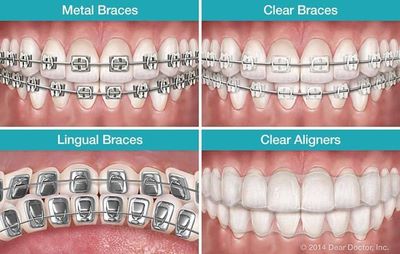
Different types of braces are available depending on the alignment concerns, treatment requirements and preferred appearance.
- Metal braces use stainless steel brackets and wires attached to the teeth with rubber bands to gradually guide the teeth into their planned positions.
- Ceramic braces use tooth-coloured brackets with rubber bands, making them less noticeable than conventional metal braces while providing fixed orthodontic treatment.
- Self-ligating braces use brackets with a built-in mechanism to hold the wire in place. They are available with stainless steel or tooth-coloured brackets and are designed to provide a more comfortable treatment experience while supporting efficient tooth movement.
- Damon is a type of self-ligating orthodontic system. They are available in both metal and clear versions, with the clear option offering a less noticeable appearance during treatment.
- Lingual and invisible braces are fixed to the back surfaces of the teeth rather than the front, making them difficult to see while smiling. They are also available with a self-ligating system.
Duration of Braces treatment
The length of orthodontic treatment depends on various factors including –
- Complexity of the alignment problem
- Type of braces used
- Age
- Treatment goals
- Adherence to instructions given by the dentist
Overall, most patients can expect orthodontic treatment with braces to take approximately one to three years. Consult with your orthodontist for a more specific estimate based on your specific needs.
Cost of Braces treatment
| Type of braces | Starting cost (in INR) |
|---|---|
| Metal braces | ₹30,000 |
| Metal self-ligating braces | ₹45,000 |
| Metal Damon braces | ₹60,000 |
| Ceramic braces | ₹40,000 |
| Ceramic self-ligating braces | ₹60,000 |
| Ceramic Damon braces | ₹90,000 |
Clear Aligners for teeth alignment
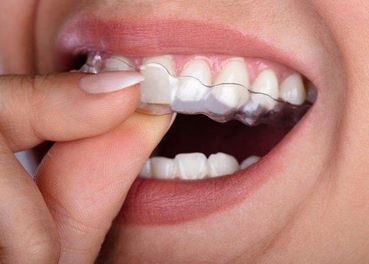
Clear aligners are orthodontic devices made from a series of transparent plastic trays that fit over the teeth. They provide a less noticeable alternative to fixed braces for suitable alignment cases.
Purpose of Clear Aligners
- Improving the alignment of crooked, overcrowded or gapped teeth.
- To address certain bite problems, including overbites, underbites and crossbites.
Process of Clear Aligner treatment
- Custom-made trays are designed to fit your teeth and guide them towards their planned positions.
- Gentle pressure is applied by each aligner to gradually move the teeth.
- A series of aligners is used throughout the treatment, with each tray making small adjustments to the position of the teeth.
- Progressive movement continues from one aligner to the next until the desired alignment is achieved.
Why choose Clear Aligners?
- A discreet alternative to braces with a clear design that is less noticeable during treatment.
- Easy to remove when needed so you can eat, brush and floss comfortably.
- Suitable for different lifestyles as their less visible appearance may be preferable for people who find traditional braces inconvenient at work or in daily life.
Cost of Invisalign
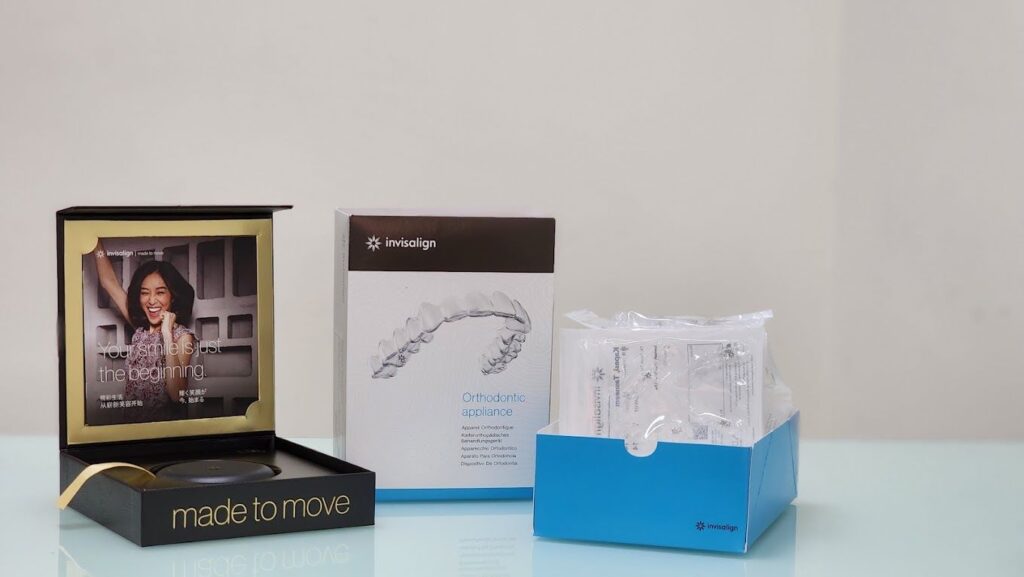
The final treatment cost may vary depending on the individual treatment requirements.
| Invisalign package | Treatment | Starting cost (in INR) |
|---|---|---|
| Express | Single arch | ₹75,000 |
| Express | Double arch | ₹90,000 |
| Lite | Single arch | ₹1,20,000 |
| Lite | Double arch | ₹1,50,000 |
| Moderate | Single arch | ₹1,75,000 |
| Moderate | Double arch | ₹2,25,000 |
| Comprehensive | 3 years | ₹2,50,000 |
| Comprehensive | 5 years | ₹3,00,000 |
Spark Aligners
- Spark Aligners are a clear aligner option backed by Ormco, a company with more than 60 years of experience in professional orthodontics.
Why choose Spark Aligners?
Virtually invisible as spark aligners are made with TruGEN™ plastic, which is designed to provide greater clarity and better stain resistance than other aligner materials. Their clear appearance makes them a understated option for teeth straightening.
Comfortable to wear as these have polished, scalloped edges that follow the natural line of the gums. This design helps reduce irritation and makes the aligners more comfortable to wear during treatment.
Designed with high-tech material to maintain steady pressure on the teeth. This supports efficient tracking as the teeth move through treatment.
FAQ
Are braces and teeth aligners painful?
Some pressure, tightness or mild soreness is common when braces are first placed or adjusted, or when you start wearing a new teeth aligner. This usually settles as your teeth adapt to it. If you experience significant or persistent discomfort, inform your orthodontist so it can be assessed.
How often will I need appointments during orthodontic treatment?
Regular appointments are needed to monitor your tooth movement and treatment progress. The frequency depends on your individual treatment plan and whether you are undergoing braces or teeth aligner treatment. Our dentist will advise you on the appropriate appointment schedule.
What foods should I avoid with braces?
With fixed braces, it is best to avoid hard, sticky and very crunchy foods that may damage the brackets or wires like hard candies, popcorn, nuts, chewing gum.
Can I eat normally with teeth aligners?
Yes. Teeth aligners are removable, so you can generally eat your usual foods without the restrictions associated with fixed braces. Remove the aligners before eating and put them back after cleaning your teeth. Water can be consumed while wearing the aligners.
How should I clean my teeth during braces and teeth aligners treatment?
Good oral hygiene is important throughout orthodontic treatment. With braces, brush carefully around the brackets and wires and clean between your teeth. Brushing technique for braces is usually taught at our clinic and we also have videos for it on our instagram page. With teeth aligners, remove them before brushing and eating, and keep both your teeth and aligners clean before putting them back in.
How long should I wear teeth aligners each day?
Teeth aligners need to be worn consistently all day and night for the planned tooth movement to take place. They should generally only be removed when necessary, such as for eating and drinking.
What happens if I do not wear my teeth aligners as instructed?
Not wearing your aligners as recommended can affect the planned tooth movement and may extend your treatment time. Since each aligner is designed to make specific adjustments, following your orthodontist’s instructions helps keep the treatment progressing as planned.
What should I do if my braces or teeth aligner is lost or damaged?
You should contact your orthodontist as soon as possible. Avoid trying to repair braces yourself or continuing with an incorrect aligner without professional advice. Your orthodontist can assess the situation and advise you on the appropriate next step.
Can my teeth move again after braces or aligners?
Yes. Teeth can gradually shift after orthodontic treatment if they are not properly maintained in their new positions. Wearing your retainers as advised by your orthodontist helps reduce unwanted movement and maintain the alignment achieved through treatment.
Can braces or aligners affect my speech?
You may notice a slight change in your speech when you first start wearing braces or aligners. This usually improves as you get used to the appliance. If the change continues, discuss it with your orthodontist.
Can I get braces or aligners if I have cavities or gum problems?
Existing cavities or gum problems should be assessed before starting orthodontic treatment. These concerns may need to be treated first to ensure your teeth and gums are healthy enough for orthodontic treatment.
What should I do if my aligner feels too tight or does not fit properly?
Do not force an aligner into place if it does not fit properly or causes significant discomfort. Contact your orthodontist so they can check the fit and advise you on the next step.
Can I whiten my teeth while wearing braces or teeth aligners?
Teeth whitening during orthodontic treatment depends on the type of appliance you are using. With braces, whitening may result in uneven colour because the brackets cover parts of the teeth. Our dentist will advise you on the appropriate time for whitening.
What happens if I miss an orthodontic appointment?
If you miss an appointment, contact our dental studio to reschedule it as soon as possible. Regular appointments allow our orthodontist to monitor your progress and make any necessary adjustments to keep your treatment on track.