
Pediatric Dentistry: Gentle Care for Children
What is Pediatric Dentistry?
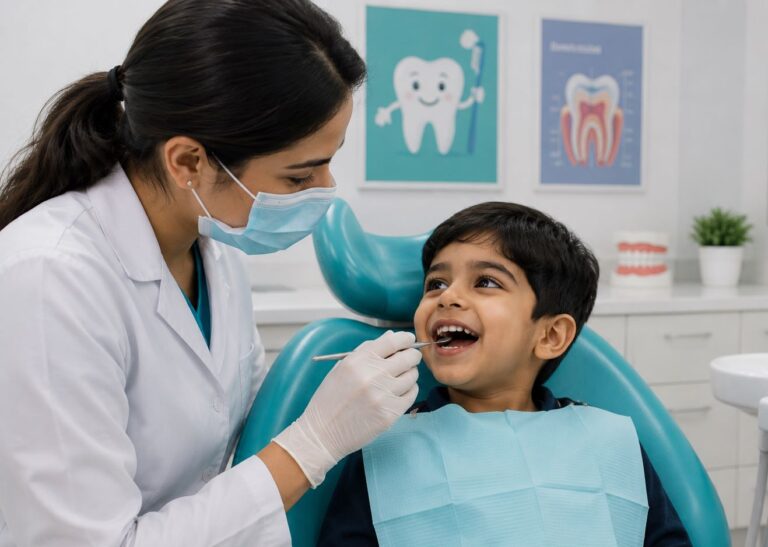
Pediatric dentistry focuses on maintaining and improving the oral health of infants, children and adolescents through preventive, restorative and developmental dental care. Healthy primary (milk) teeth play an important role in chewing, speech development, proper nutrition and the healthy growth of the jaws, making early dental care essential from the eruption of the very first tooth.
At Dr. Tejani’s Dental Studio, our pediatric dentists provide a safe, child-friendly and comfortable environment where every child receives personalised dental care. We believe that positive dental experiences at an early age help children develop healthy oral habits and build confidence during future dental visits.
Our approach focuses on preventing dental problems before they become serious. Regular dental check-ups, combined with good oral hygiene practices at home, help reduce the risk of tooth decay, protect developing teeth and support lifelong oral health.
Preventive dental care for children
Preventive dental care plays a key role in protecting children’s teeth from cavities and other oral health concerns. Depending on your child’s dental needs, the following preventive treatments may be recommended:
- Routine Dental Check-ups to monitor your child’s oral health, tooth eruption and overall dental development.
- Professional Dental Cleaning to remove plaque and tartar, helping prevent cavities and gum-related problems.
- Fluoride Treatment to strengthen tooth enamel and provide additional protection against tooth decay.
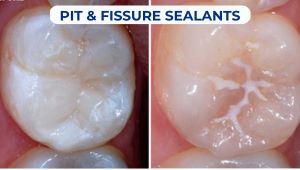
- Pit and Fissure Sealants to safeguard the chewing surfaces of molars from cavities.
- Dental Fillings to restore teeth affected by cavities and prevent further decay.
- Pulpectomy (Children’s Root Canal Treatment) to treat infected or damaged pulp in primary teeth.
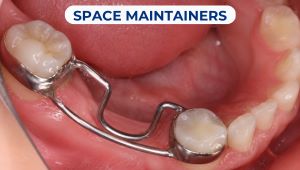
- Space Maintainers to preserve the space for permanent teeth when a milk tooth is lost prematurely.
- Early Orthodontic Assessment to monitor tooth alignment and identify developing bite problems.
- Tooth Extraction when a severely damaged or decayed tooth cannot be preserved.
- Emergency Pediatric Dental Care for dental injuries, trauma and other urgent oral health concerns.
Benefits of Pediatric Dentistry
Establishing good oral health habits during childhood plays an important role in maintaining healthy teeth and gums as children grow. Regular visits to a pediatric dentist not only helps to prevent dental problems but also encourages children to develop a positive attitude towards oral care from an early age.
The benefits of pediatric dentistry include:
- Early detection of dental concerns through regular dental examinations, allowing timely treatment before problems become more serious.
- Oral hygiene education to help children develop healthy brushing and oral care habits from a young age.
- A child-friendly dental experience that helps children feel comfortable and confident during dental visits.
- Specialised dental care designed to support every stage of your child’s oral growth and development.
- Preventive treatments such as fluoride applications and pit & fissure sealants to reduce the risk of tooth decay.
- Gentle behaviour management techniques to help anxious or nervous children receive dental treatment comfortably.
- Early orthodontic assessment to monitor the growth and alignment of developing teeth and jaws.
- Personalised treatment planning based on your child’s oral health requirements.
- Guidance for parents on maintaining good oral hygiene and healthy dietary habits at home.
- A strong foundation for lifelong oral health by promoting healthy teeth, gums and overall well-being from childhood.
Importance of milk teeth in childhood
Milk teeth play an important role in a child’s oral health and should not be ignored, even though they are temporary.
Treating milk teeth is important because it:
- Helps to prevent cavities from progressing into pain and infection.
- Preserves space for permanent teeth, reducing the risk of alignment problems.
- Supports healthy speech development and proper chewing function.
- Relieves dental pain and discomfort caused by tooth decay or infection.
- Maintains a healthy smile and helps children feel more confident.
- Reduces the risk of complex dental problems that may require extensive treatment later.
Causes of cheek swelling in kids
Cheek swelling in children can occur due to various dental and medical conditions. Identifying the underlying cause at an early stage helps to ensure timely diagnosis and appropriate treatment. If your child develops cheek swelling accompanied by pain, fever or difficulty eating, a dental evaluation is recommended.
Common causes of cheek swelling include:
- Dental infections including tooth abscesses and untreated cavities.
- Allergic reactions caused by food, insect bites or other allergens.
- Viral or bacterial infections affecting the facial tissues.
- Facial injuries or trauma resulting in swelling.
- Sinus infections that cause swelling around the cheeks.
- Cysts or benign growths within the cheek region.
- Blocked or infected salivary glands.
Reasons to choose a Pediatric Dentist
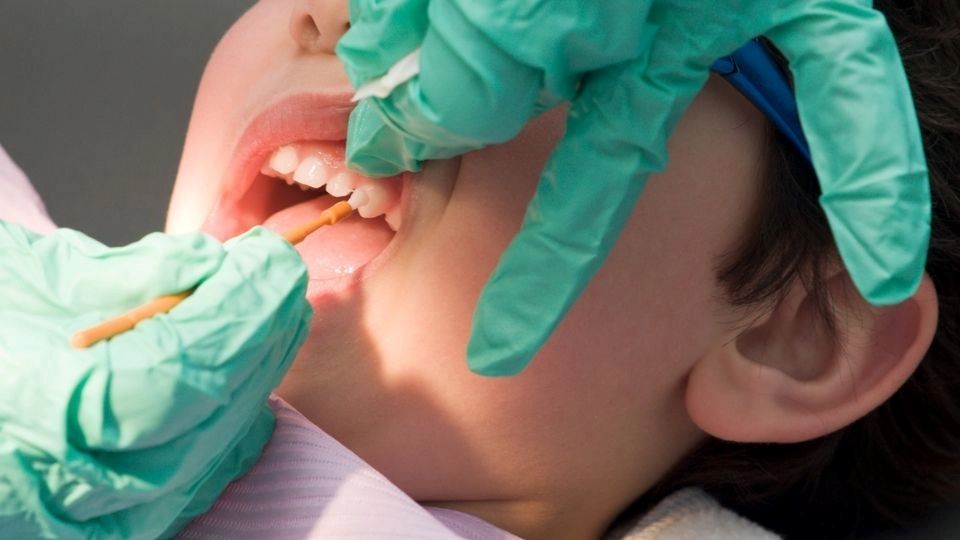
Pediatric dentists are specially trained to care for a child’s oral health at every stage of growth and development. Their expertise is combined with a child-friendly approach which helps to create a positive dental experience while supporting healthy smiles from an early age.
A pediatric dentist offers:
- Specialised knowledge of children’s dental growth and development.
- A child-friendly environment that helps reduce fear and anxiety during dental visits.
- Gentle behaviour management techniques to make treatment more comfortable.
- A strong focus on preventive care to reduce the risk of cavities and other dental problems.
- Children-specific dental treatments, including fluoride applications, sealants and space maintainers.
- Early orthodontic assessments to monitor developing teeth and jaws.
- Guidance for parents on oral hygiene practices and nutrition.
- Long-term dental care that encourages healthy oral habits from childhood into adulthood.
Pediatric Dentistry for healthy growth and development
Pediatric dental care is closely connected with a child’s overall growth and development. Regular dental visits allow the development of the teeth and jaws to be monitored as your child grows, while early identification of concerns can help address them at the appropriate stage.
Good dental care can support your child’s development by:
- Monitoring teeth and jaw development to identify changes that may require attention.
- Recognising alignment concerns early, including developing misalignment or overcrowding.
- Supporting clear speech through healthy development of the teeth and jaws.
- Encouraging healthy eating habits through appropriate nutritional guidance.
- Promoting independence in oral care by teaching children to take responsibility for their dental hygiene.
- Supporting confidence and social development by maintaining a healthy smile.
- Creating positive dental experiences that can help reduce anxiety about healthcare visits as children grow.
FAQ
When should my child have their first dental visit?
Your child should have their first dental visit when the first tooth appears, or by their first birthday at the latest. Early visits help monitor dental development and identify potential problems early.
How often should my child visit the dentist?
A dental check-up every six months is generally recommended. However, your child may need more frequent visits depending on their oral health and risk of developing dental problems.
Why are baby teeth important if they eventually fall out?
Baby teeth help children chew and speak properly and maintain space for permanent teeth. Keeping them healthy also supports normal oral development.
What can I do to relieve my child’s teething discomfort?
Teething can cause sore or tender gums and discomfort. A clean, cool teething ring or gentle gum massage may help soothe your child. If the symptoms are severe or persistent, consult a dentist.
How should I brush my child’s teeth at home?
Brush your child’s teeth twice a day using a soft, age-appropriate toothbrush and toothpaste. Young children may need parental assistance or supervision to brush effectively.
Can my child’s diet affect their dental health?
Yes. Frequent consumption of sugary foods and drinks can increase the risk of tooth decay. Limiting sugary snacks and drinks and encouraging a balanced diet can help protect your child’s teeth.
When should I be concerned about thumb sucking or pacifier use?
Thumb sucking and pacifier use are common in young children, but prolonged habits may affect the development and alignment of the teeth and jaws. Your child’s dentist can advise when the habit may need to be addressed.
How can I prepare my child for a dental visit if they are nervous?
Keep the conversation positive and simple, and avoid words that may create fear. Staying calm and allowing your child to become familiar with the dental environment can also help. At Dr. Tejani’s Dental Studio, the dental team can use an age-appropriate approach to help your child feel more comfortable
Are dental X-rays safe for children?
Dental X-rays are considered safe when they are recommended when necessary. The type and frequency of X-rays depend on your child’s age, dental development, history and clinical needs.
What should I do if my child has a toothache?
A toothache should not be ignored, even if the pain comes and goes. Contact your child’s dentist for an examination so the cause can be identified and treated appropriately.
What should I do if my child chips or injures a tooth?
Contact a dentist as soon as possible after a dental injury. The appropriate care depends on the type of injury and whether the affected tooth is a baby or permanent tooth.
Can children develop cavities even if they brush their teeth every day?
Yes. Brushing is important, but cavities can still develop due to factors such as frequent sugar intake, plaque buildup and individual cavity risk. Regular dental check-ups help identify these risks early.
When should my child see a dentist urgently?
Seek urgent dental care if your child has severe tooth pain, facial swelling, uncontrolled bleeding, a dental injury or signs of infection. These problems may require prompt assessment and treatment.