
Myofunctional appliances for better oral development
Table of Content
- Airway-Focused Orthodontics
- Why are myofunctional appliances used?
- When should myofunctional appliances be used?
- Duration of myofunctional appliance treatment
- Who provides myofunctional appliance treatment?
- Types of myofunctional appliances
- Cost of myofunctional appliance treatment
- Orthognathic surgery for jaw correction
- Who may need orthognathic surgery?
- Who performs orthognathic surgery?
- FAQ
Airway-Focused Orthodontics
Airway-focused orthodontics is an approach to orthodontic treatment that looks beyond simply straightening the teeth. The primary focus is to support proper nasal breathing and healthy jaw development. When the upper jaw is too narrow or the lower jaw is positioned too far back, it may contribute to restricted airflow and make comfortable nasal breathing more difficult.
Rather than addressing tooth alignment alone, this approach considers the underlying factors that may affect the way a person breathes and the way the jaws develop.
Health Benefits:
It may help in reducing issues such as –
- Snoring
- Sleep apnea
- Mouth breathing by addressing factors that can affect the airway.
Common tools used in the treatment:
- Expanders
- Jaw-advancing appliances
- Muscle exercises based on the individual needs.
Why are myofunctional appliances used?
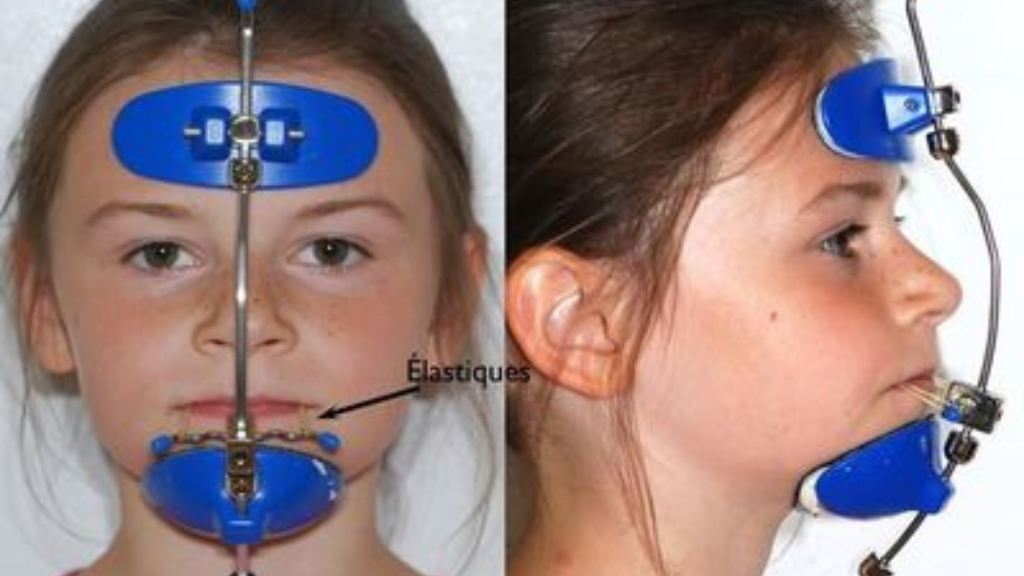
Myofunctional appliances are used in orthodontic and dental treatment to address improper oral habits that can affect the alignment of the teeth and jaws.They can help address several concerns, including:
- Mouth breathing by encouraging nasal breathing.
- Tongue thrusting by promoting a more appropriate tongue position.
- Harmful oral habits such as thumb sucking that may affect bite and tooth alignment.
- Jaw development by guiding the muscles of the tongue, lips and cheeks.
- Bite problems such as overbites, underbites and crossbites.
- Orthodontic treatment by addressing oral habits and muscle function before or during braces or aligner treatment.
- Speech and swallowing when these concerns are related to tongue position or muscle function.
- Breathing and sleep by addressing concerns associated with mouth breathing and snoring.
- Long-term oral health by addressing factors that may contribute to uneven tooth wear, TMJ problems, cavities and gum disease.
When should myofunctional appliances be used?
The appropriate time for myofunctional appliance treatment depends on –
- Oral concern being addressed
- Age of patient
- Stage of development of the teeth and jaws.
Early childhood: Ages 4 to 7
Myofunctional appliances may be recommended when children develop habits such as
- Thumb sucking
- Tongue thrusting
- Mouth breathing that could affect dental or speech development.
Since the jaws are still developing at this stage, addressing these habits early may help prevent more significant bite and alignment problems later.
Middle childhood: Ages 7 to 12
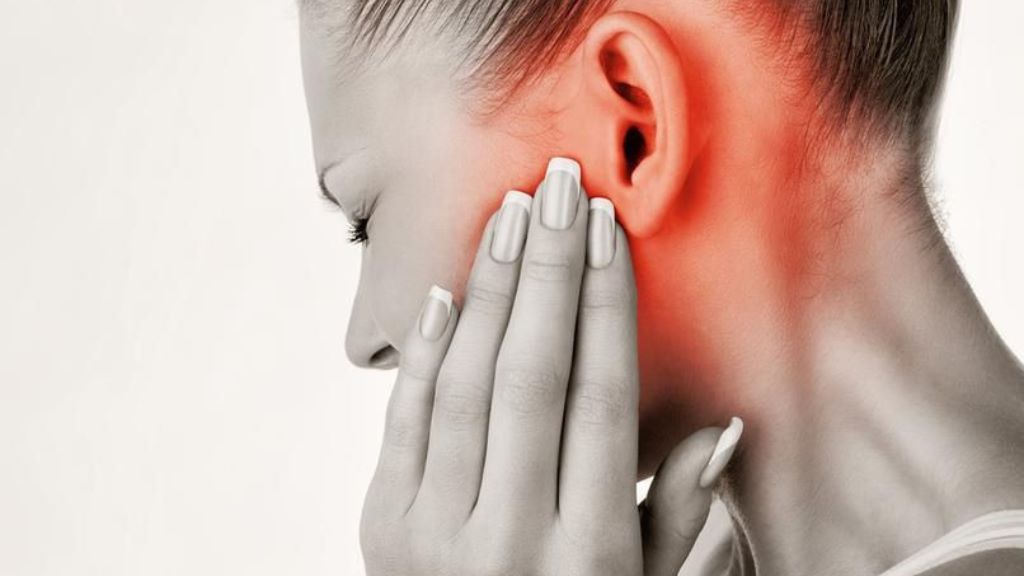
This can be an effective period for myofunctional appliance treatment because the jaws are still growing and remain responsive to guidance. Treatment may help in addressing –
- Bite problems
- Jaw alignment concerns
- Tongue posture
- Swallowing patterns
- Mouth breathing
Teenagers: Ages 12 to 16
Myofunctional appliances can still be useful for teenagers with –
- Misaligned teeth
- Jaw concerns
- Persistent oral habits.
- Support the treatment results related to braces or aligners
- Improve muscle function
- Maintain orthodontic corrections.
Adults: 18 and older
Adults may also benefit from myofunctional appliances when functional concerns such as
- Improper tongue posture
- Mouth breathing
- Teeth grinding
- Treatment may be used alongside orthodontic care or, in some cases, before surgery.
Before or during orthodontic treatment
Myofunctional appliances may be included as part of an orthodontic treatment plan when oral habits or muscle imbalances could affect the results of braces or clear aligners. Addressing these concerns can support orthodontic treatment and may also help reduce the risk of relapse after treatment
Duration of myofunctional appliance treatment
The duration of myofunctional appliance treatment may last from a few months to around one to two years.
This depends on various factors –
- Age of patient,
- Type of appliance
- Severity of the concern
- If any other treatments are being carried out at the same time.
- Patient adhering to instructions
- Regular follow-ups and maintenance
Who provides myofunctional appliance treatment?
- An orthodontist if the concern is related to malocclusion, jaw alignment, tongue thrusting or mouth breathing.
- Pediatric dentist or General dentist provides an initial assessment for younger children with oral habits such as thumb sucking or improper tongue posture and refer the patient to an orthodontist or myofunctional therapist when required.
- Speech therapist or myofunctional therapist may also be involved when the concern is related to speech or swallowing.
Types of myofunctional appliances
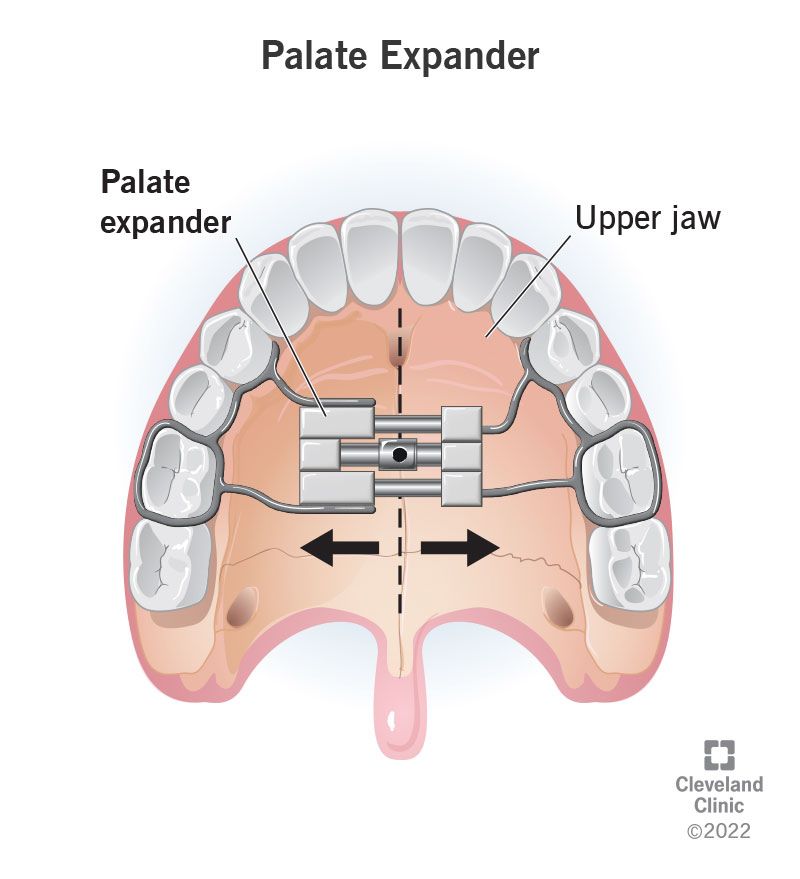
Different myofunctional appliances are designed to address specific oral habits, muscle-function concerns, bite problems and jaw-development needs.
- Palatal expanders widen the upper jaw and can help in improving dental alignment in cases involving a narrow upper jaw, crossbites or crowded teeth.
- Tongue cribs and shields help in preventing tongue thrusting and encourage better tongue posture. They may also be used for concerns such as speech problems and open bites.
- Myobrace® appliances are designed to address poor oral habits and support jaw development. They may be used for concerns involving mouth breathing, tongue posture and bite problems.
- Functional appliances guide jaw growth and help correct bite problems such as overbites, underbites and crossbites. They may also be used when the concerns are related with jaw development.
- Bionators are used to support jaw alignment and muscle function. They may be recommended for concerns related to jaw misalignment, bite problems and dysfunctional swallowing.
- Mewing appliances are designed to encourage appropriate tongue posture and nasal breathing. These may be used for concerns involving mouth breathing, tongue posture and jaw development.
- Positioners help in maintaining or correcting the position of the teeth and jaws after orthodontic or surgical treatment. They may be used to help in addressing relapse following braces or surgery.
- Sleep apnea appliances are used to address sleep apnea and snoring. These may also help with concerns related to jaw alignment.
- Habit breakers appliances are designed to help in stopping harmful oral habits such as thumb sucking, finger sucking and lip biting.
- MARPE (Miniscrew-Assisted Rapid Palatal Expansion) is a non-surgical orthodontic treatment used to widen a narrow upper jaw in older teenagers and adults. It helps to expand the upper dental arch when there is insufficient arch width or space, making it suitable for adults who require palatal expansion.
Cost of myofunctional appliance treatment
The cost of myofunctional appliance treatment varies depending on the individual case. The starting cost is ₹15,000.
Orthognathic surgery for jaw correction
Orthognathic surgery involves repositioning the upper jaw, lower jaw or both to correct significant jaw misalignment. It may be considered when skeletal or functional problems affect the bite, breathing, speech or facial appearance and cannot be corrected with braces alone.
Who may need orthognathic surgery?
Orthognathic surgery is generally considered when severe jaw misalignment or skeletal discrepancies cannot be corrected through orthodontic treatment alone. While braces and aligners can move the teeth, they cannot correct significant problems involving the underlying jaw bones.
- Severe bite problems includes Class II malocclusion for an overbite and Class III malocclusion for an underbite, may require jaw surgery when the underlying problem involves the position or structure of the jaws.
- Open bite occurs when the upper and lower teeth do not meet even when the back teeth are together. When the condition is caused by abnormal jaw positioning or a skeletal problem, orthognathic surgery may be used to reposition the jaws and improve the way the teeth meet.
- Crossbite occurs when the upper teeth bite inside the lower teeth, may be associated with a narrow upper jaw. If orthodontic treatment cannot adequately correct the problem, surgery may be considered to widen or reposition the jaw.
- Significant jaw discrepancies include abnormalities in the size or position of the jaws can affect chewing, speaking, swallowing, facial balance and overall quality of life. Severe jaw imbalance may require surgery to reposition the jaws and improve both function and facial appearance.
- Prognathism refers to excessive forward projection or overgrowth of the lower jaw. Severe cases, especially those associated with a Class III malocclusion, may require surgery to reposition the lower jaw.
- Breathing problems and obstructive sleep apnea may sometimes be associated with jaw misalignment that restricts the upper airway. In such cases, orthognathic surgery may reposition the upper or lower jaw to improve airway space and help in reducing snoring and sleep apnea symptoms.
- Facial asymmetry and aesthetic concerns due to severe jaw misalignment. Patients with significant jaw or chin abnormalities may consider orthognathic surgery to improve facial balance, proportion and appearance.
- Severe TMJ disorders involving pain, clicking, jaw locking or difficulty opening the mouth may sometimes be related to structural jaw problems. When non-surgical treatments do not address TMJ problems caused by significant jaw misalignment, surgery may be considered to correct the underlying structural issue.
- Congenital jaw abnormalities that affect chewing, breathing, speaking or facial development. Conditions such as cleft lip and palate and other congenital craniofacial abnormalities may require corrective jaw surgery, sometimes as part of treatment carried out over different stages of development.
- Difficulty speaking, swallowing or chewing due to severe jaw misalignment When these functional problems cannot be adequately addressed through orthodontic treatment, orthognathic surgery may be recommended.
- When braces alone cannot correct the jaw problem, orthodontic treatment can correct the position of the teeth, but severe skeletal jaw problems may require surgery. Patients who continue to experience significant jaw misalignment or functional problems after orthodontic treatment may need orthognathic surgery to reposition the jaws.
Who performs orthognathic surgery?
Orthognathic treatment involves a team of specialists, with each professional responsible for a different part of the treatment.
- Oral and maxillofacial surgeons perform the surgery to reposition the jaws and correct structural jaw abnormalities.
- The Orthodontist prepares the teeth before surgery, manages dental alignment after surgery and coordinates orthodontic treatment with the surgical procedure.
- Anesthesiologists administer anaesthesia and monitor the condition of patients during surgery.
- Speech therapists may assist with speech rehabilitation when required after surgery.
- Physical therapists may support jaw movement and muscle rehabilitation during recovery when necessary.
FAQ
How can I tell if my breathing pattern is affecting my oral health?
Signs such as regularly keeping your mouth open, waking with a dry mouth, difficulty breathing comfortably through your nose or persistent mouth breathing may indicate an underlying functional or airway concern. An evaluation can help determine whether your breathing pattern is affecting your oral function.
Do I need myofunctional exercises along with an appliance?
An appliance and myofunctional exercises serve different purposes. Depending on your needs, your treatment plan may include exercises to help train the tongue, lips and other oral muscles along with appliance use.
How important is consistency during myofunctional treatment?
Consistency is important because myofunctional treatment involves developing new muscle patterns and habits. Following the recommended exercises and appliance instructions regularly can support better progress.
How will my progress be monitored during myofunctional treatment?
Your progress can be monitored by assessing changes in oral posture, muscle function, breathing, swallowing and other concerns identified during your initial evaluation. Your treatment plan can then be adjusted when needed.
Can myofunctional treatment help if I have difficulty keeping my lips closed?
If difficulty keeping the lips together is related to an abnormal oral resting pattern, myofunctional treatment may help improve lip function and resting posture. However, any underlying nasal or structural problem should also be considered.
Can myofunctional treatment help with an open-mouth resting posture?
It may help retrain the muscles involved in maintaining a more appropriate resting posture. The reason for the open-mouth posture should also be assessed, particularly when nasal breathing is difficult.
Can myofunctional treatment be combined with treatment from an ENT or speech therapist?
Yes. Some patients may benefit from coordinated care when breathing, speech or other functional concerns involve more than one area. Myofunctional treatment can be part of a multidisciplinary treatment plan when appropriate.
What should I do if my myofunctional appliance is uncomfortable or irritating my mouth?
Do not continue using an appliance that causes significant pain or irritation without discussing it with your dentist or orthodontist. The appliance may need to be checked or adjusted to ensure it fits properly.
Can myofunctional appliances be used if I already have an orthodontic problem?
Yes, an orthodontic concern does not automatically rule out myofunctional appliances. Your orthodontic condition and oral muscle function can be assessed together to determine whether an appliance should be included in your treatment plan.
What happens during a myofunctional appliance assessment?
The assessment focuses on your individual oral and facial function rather than simply selecting an appliance. Your dentist or orthodontist may evaluate factors such as tongue position, oral habits, breathing pattern, swallowing and dental or jaw relationships before recommending an appropriate approach.
How are myofunctional treatment and orthognathic surgery different?
Myofunctional treatment focuses on oral muscle function, habits and related functional concerns, while orthognathic surgery is used to surgically reposition significantly misaligned jaw bones. The appropriate approach depends on the underlying problem and its severity.
What can I eat after orthognathic jaw surgery?
Your diet will usually need to be modified during the early stages of recovery to protect the healing jaws. Our team will provide specific instructions on suitable foods and when you can gradually return to your normal diet.
How long does it take to recover after orthognathic surgery?
Recovery varies depending on the type and extent of surgery and the individual patient. Your oral and maxillofacial surgeon will provide specific guidance about healing, diet, activity and follow-up during recovery.