
Oral surgery for complex dental problems
Table of content
What is Oral Surgery?
Oral surgery includes surgical procedures used to treat problems affecting the teeth, gums, jawbone and surrounding oral tissues. These procedures may be recommended when –
- Tooth cannot be saved
- Wisdom tooth is impacted
- Bone support is insufficient for an implant
- Abnormal oral tissue needs to be examined or removed.
What is Wisdom teeth removal?
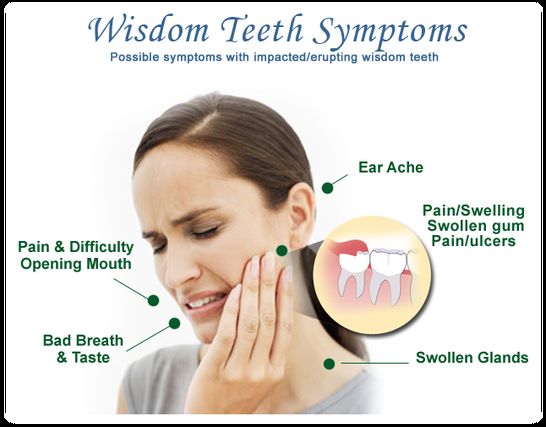
Wisdom tooth removal involves extracting third molars that are impacted, painful, infected or causing problems due to their position. The procedure is planned carefully based on the position of the tooth and its roots.
Process in Wisdom teeth removal?
Wisdom tooth removal is a commonly performed surgical procedure. The exact approach depends on the position of the tooth and whether it is impacted.
1. Preparation and Numbing
- X-ray Review to assess the tooth’s position, root shape and nearby structures.
- Anaesthesia is administered to numb the treatment area. Sedation may also be used when planned as part of the procedure.
- Sensation Check to make sure it is adequately numb before the procedure begins.
2. Accessing the Tooth
Gum Incision may be made to access the wisdom tooth, if impacted beneath the gum.
Bone Clearance is done by removing a small amount of bone covering the tooth to expose it.
3. Loosening the Tooth
Tooth Sectioning may be done to divide a tightly positioned tooth into smaller sections to allow safer removal.
Gentle Loosening of the tooth from the surrounding tissues using special dental instruments.
4. Extraction and Cleaning
Removal of the tooth or its sections from the socket.
Irrigation by cleaning the empty socket with sterile saline to remove debris.
5. Closure and Initial Healing
Dissovable stitches may be placed to close the gum tissue where required.
Gauze Pressure through a sterile gauze is placed over the area to help in controlling bleeding and support formation of the blood clot.
FAQ
How do I know if my wisdom tooth needs to be removed?
A wisdom tooth may need removal if it is causing repeated pain, infection, swelling, damage to nearby teeth or other oral problems. Your dentist can assess its position and condition to determine whether removal is necessary.
Can an impacted wisdom tooth cause problems even if it does not hurt?
Yes. An impacted wisdom tooth may cause problems without immediate pain, including difficulty cleaning the area, damage to neighbouring teeth or infection around the tooth. Regular dental examinations can help identify these problems early.
What happens if I do not remove a problematic wisdom tooth?
Leaving a problematic wisdom tooth untreated may allow symptoms or complications to develop or worsen. The appropriate approach depends on the tooth’s position and whether it is causing or likely to cause problems.
Can wisdom tooth removal damage nearby teeth?
Wisdom tooth removal is planned based on the tooth’s position and surrounding structures to minimise complications. Our dentist can assess the individual risks before the procedure.
How long does it take to recover after wisdom tooth removal?
Recovery varies depending on the position of the tooth and the complexity of the procedure. Our dentist will provide specific aftercare instructions and let you know what to expect during healing.
What can I eat after wisdom tooth removal?
Wisdom tooth removal involves extracting third molars that are impacted, painful, infected or causing problems due to their position. The procedure is planned carefully based on the position of the tooth and its roots.
When can I brush my teeth after wisdom tooth removal?
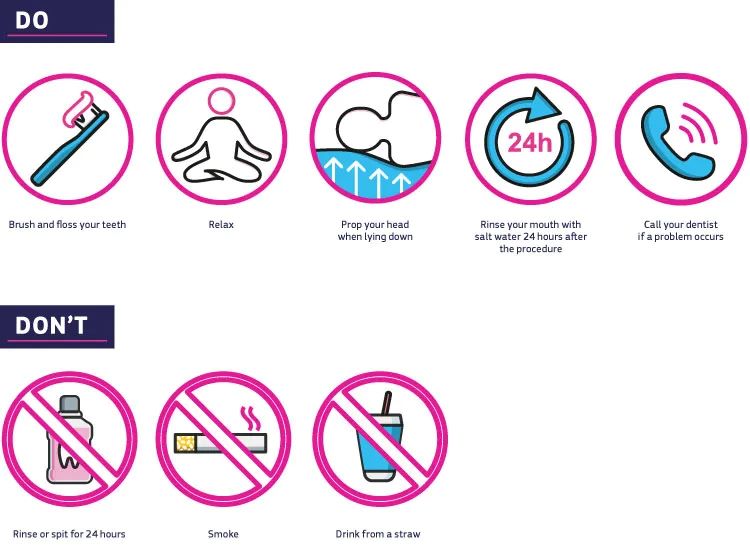
You can generally continue maintaining your oral hygiene after the procedure, but the surgical area should be treated gently. Follow the specific instructions given by the dentist to avoid disturbing the healing site.
How do I control bleeding after wisdom tooth removal?
Some bleeding or oozing can occur after extraction. Applying gentle pressure with the gauze provided by the dentist can help control it. If bleeding is heavy or does not settle, contact the dentist.
What should I do if I develop severe pain after wisdom tooth removal?
Some discomfort is expected after surgery, but severe or worsening pain should be assessed by the dentist. It may indicate a healing complication or another problem requiring attention.
Can wisdom tooth removal affect my jaw movement?
Temporary stiffness or difficulty opening the mouth can occur after wisdom tooth surgery, particularly when the procedure is more complex. It generally improves as healing progresses.
What happens if a wisdom tooth is close to a nerve?
If a wisdom tooth is close to an important nerve, your dentist will assess its position carefully using appropriate imaging and discuss the potential risks and treatment options with you.
Can all wisdom teeth be removed at the same time?
Sometimes multiple wisdom teeth can be removed during the same appointment, but this depends on their position, your oral health and the complexity of the procedures. Our dentist will determine whether this is appropriate.
Can oral surgery be performed if I am taking regular medication?
Some medicines can affect bleeding, healing or the choice of anaesthesia. Tell the dentist about all medicines and supplements you take before oral surgery so your treatment can be planned safely.
Can I have wisdom tooth removal if I am pregnant?
The need for treatment during pregnancy is assessed individually. Inform your dentist if you are pregnant so the timing, imaging, anaesthesia and medications can be planned appropriately.
What should I do if my stitches come loose after oral surgery?
If a stitch becomes loose or falls out, contact your dentist for advice, particularly if the wound opens, bleeding increases or you notice other concerning symptoms. Do not try to replace the stitch yourself.
How soon can I return to work after wisdom tooth removal?
The time needed varies according to the complexity of the procedure and your recovery. Some people return to routine activities relatively quickly, while more complex surgery may require additional rest.
Can wisdom tooth removal affect my speech?
Wisdom tooth removal does not usually cause a lasting change in speech. Temporary discomfort, swelling or difficulty opening the mouth may make speaking less comfortable during the early healing period.