
Comfortable dentures for tooth replacement
What are Dentures?
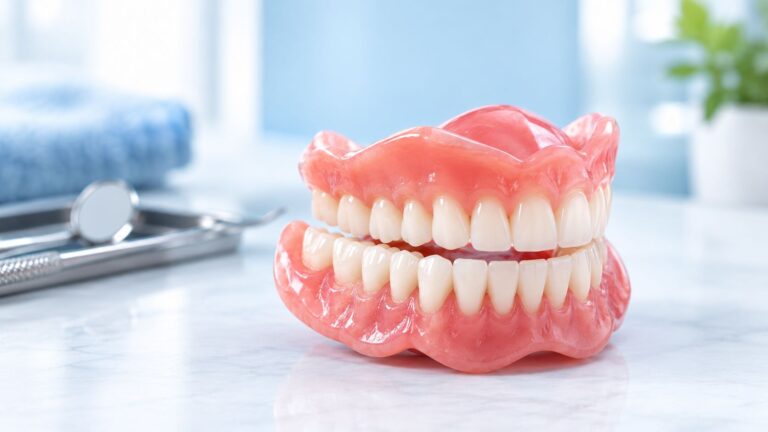
Dentures are removable tooth replacements used to replace missing teeth and the surrounding oral tissues. They are designed to resemble natural teeth and help to restore the appearance of the smile while supporting everyday functions such as chewing and speech. Depending on the number of missing teeth, dentures can be used to replace all or some of the natural teeth.
Implant Dentures
An implant overdenture is a removable denture that is supported and secured by a small number of dental implants, usually two to four, placed into the jawbone. Unlike traditional dentures that may slip or move while speaking or eating, implant dentures provide improved stability and a more comfortable fit.
How Implant Dentures work?
Implant dentures use dental implants as stable anchors for the removable denture.
- Dental implants are placed into the jawbone and act as sturdy artificial tooth roots.
- The denture has specially designed attachments, such as locator or ball-and-socket attachments, that connect securely to the implants.
- Unlike fixed implant teeth or bridges, an implant overdenture can be removed by the patient for convenient daily cleaning and maintenance.
Benefits of Implant Dentures
- Implant dentures provides improved stability by helping to reduce the slipping, clicking and movement commonly associated with traditional removable dentures.
- The added stability can improve chewing efficiency and allow you to enjoy a wider range of foods more comfortably.
- Implant overdentures is a simpler treatment as it generally require fewer implants than a full-arch fixed implant restoration, making the treatment process more straightforward in suitable cases.
- Dental implants provide support to the jawbone and can help reduce the bone loss that commonly occurs after tooth loss.
- Implant overdentures can be a more cost-effective and less invasive alternative to a full set of permanently fixed implant-supported teeth, depending on individual treatment needs.
Types of Implant Dentures attachments
The attachment system used with an implant overdenture depends on the number and position of the implants and the patient’s individual needs.
- Locator Attachments are low-profile attachments designed to provide secure retention while allowing the denture to be removed easily for cleaning.
- Ball Attachments attached to the implants fit into corresponding sockets or O-rings within the denture to provide a secure connection.
- Bar-Retained Overdentures is a custom bar connects multiple dental implants, and the removable denture is designed to clip securely onto the bar for enhanced stability.
Implant dentures offer a practical way to improve the stability, comfort and function of removable dentures while using dental implants for additional support.
Types of Dentures
Dentures can be broadly classified into complete dentures and partial dentures, depending on the number of natural teeth that are missing
Complete Dentures
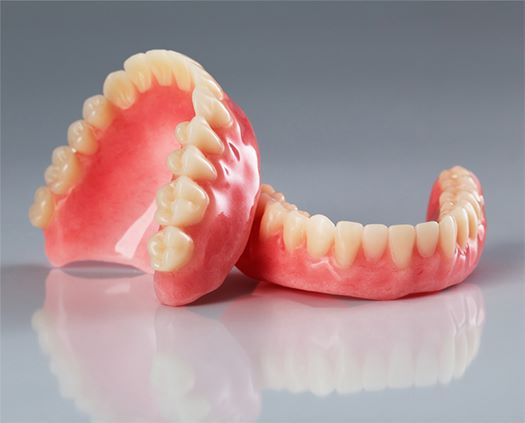
Complete dentures are used when all natural teeth are missing.
It includes –
Conventional Acrylic Dentures
Immediate Dentures
Lucitone Dentures
BPS / Injection-Moulded Dentures
Flexible Dentures
Metal-Framed Dentures
Implant-Supported Dentures
Partial Dentures
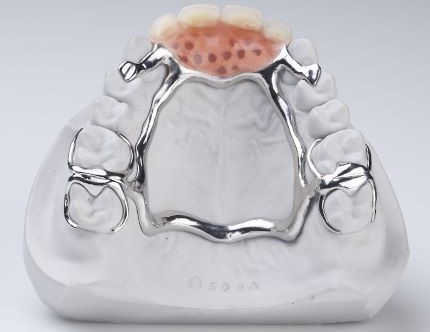
Partial dentures are used when some natural teeth remain. They replace the missing teeth while helping prevent the remaining teeth from shifting into the spaces created by tooth loss.
It includes –
Flexible Dentures
BPS Dentures
Metal-Framed Dentures
Precision Attachment Dentures
Benefits of Dentures
- Dentures help in enhancing the appearance of your smile and support the facial tissues.
- They can improve chewing and speech, making everyday activities more comfortable.
- Along with better chewing, dentures can also contribute towards improved digestion.
Procedure in making Dentures
- Impressions and Jaw Measurements are recorded to help in creating a properly fitting denture.
- Jaw Closing and Bite are measured to ensure proper positioning of the dentures.
- Trial denture is assessed before the final denture is prepared.
- Final denture is fitted and delivered.
- Follow-up appointments help in assessing the fit and make any necessary adjustments.
Time taken to make Dentures
Denture treatment generally takes around 5 appointments over approximately 2 weeks. However, the exact number of appointments and overall treatment time may vary depending on factors such as
- Tooth extractions
- Additional procedures
- Healing time required
Denture Refitting and Repair
- Removable dentures may become loose over time and can sometimes be refitted if the denture is otherwise in good condition. Refitting can be a more economical and time-saving option than making a completely new denture.
- Dentures may crack or chip due to impact or regular wear and tear. Minor repairs can help in extending their usable life or provide a temporary solution until a replacement is made.
Cost of Dentures
- Partial dentures: Starting from ₹8,000.
- Complete dentures: Starting from ₹30,000.
The final cost depends on the number of teeth being replaced and the type of denture material selected
Aftercare of Dentures
- Handle removable dentures carefully and store them in a secure container to prevent falls and impact.
- Keep dentures in clean water when they are not being worn.
- Clean the dentures thoroughly every time they are removed.
- Remove dentures at night to allow the oral tissues to rest.
- Maintain good oral hygiene and attend regular follow-up appointments.
FAQ
Why do my dentures feel uncomfortable or cause sore spots?
Some initial discomfort or sore spots can occur while you adjust to new dentures. If the discomfort persists, your dentist can check the fit and make the necessary adjustments.
What should I do if my dentures become loose?
Loose dentures should be checked by your dentist. Changes in the gums and jawbone over time can affect how dentures fit, and an adjustment or replacement may be recommended.
Can I sleep while wearing my dentures?
It is generally advisable to remove dentures while sleeping unless your dentist has given you different instructions. This allows your gums and oral tissues to rest.
How long does it take to get used to wearing dentures?
Getting used to dentures can take some time. You may initially notice changes in chewing, speaking or comfort, which usually improve as you become more accustomed to wearing them
Can I eat all types of food with dentures?
You may need some time to adjust to eating with dentures. Starting with softer foods and gradually introducing different foods can make the transition easier.
Can dentures affect my speech?
Dentures may temporarily affect the way you pronounce certain words when you first start wearing them. Speech generally becomes more natural as you get used to the dentures.
How do I keep my dentures clean and fresh?
Clean your dentures regularly as advised by your dentist and maintain good oral hygiene to help prevent food buildup, stains and unpleasant odour.
Can dentures change the way my face looks?
Dentures can help restore the shape and appearance of the mouth and face after tooth loss. The final appearance depends on the design and fit.
What should I do if my dentures break?
Do not try to repair broken dentures yourself, as this can damage them further or affect their fit. Take them to your dentist for assessment and appropriate repair or replacement.
Can dentures affect the health of my gums?
Poorly fitting or improperly maintained dentures may irritate the gums. Keeping the dentures clean and having their fit checked when needed can help maintain healthy gums.
How often should dentures be replaced?
There is no fixed replacement period for everyone. Dentures may need to be replaced when they become worn, damaged or no longer fit comfortably due to changes in the mouth.
What happens if I stop wearing my dentures for a long time?
Not wearing dentures for a long period can affect how well they fit when you try to use them again. Changes in the gums and underlying bone may make the dentures feel uncomfortable or loose.