
Dental Crowns & Bridges
Table of content
- What are Dental crowns?
- What is the procedure for Dental crowns?
- What is dental scan?
- Types of Dental crowns
- Cost of Dental crowns
- Warranty of Dental Crowns
- Choosing the right Dental Crown
- Caring for your Dental crown
- Signs to replace Dental crown
- What is a Dental bridge
- Benefits of Dental bridge
- Procedure of Dental bridge
What are dental crowns?
A dental crown is a custom-made cap placed over a damaged or weakened tooth to restore its shape and protect it from further damage. It completely covers the visible portion of the tooth, helping to strengthen it while restoring its natural appearance. Since every tooth is different, each crown is individually made to fit comfortably and blend seamlessly with the surrounding teeth.
Dental crowns are recommended when a tooth has lost its strength or structure but can still be preserved. They help restore normal function while improving the overall appearance of the tooth. Depending on the condition of the tooth and the treatment required, different types of dental crowns are available, each offering its own advantages.
Procedure of dental crowns
Getting a dental crown usually requires two appointments.
First appointment:
The tooth is gently reshaped to create enough space for the crown. Once the tooth is ready, a digital scan is taken to record its exact shape and size. This information is then used to create a crown that fits accurately.
Second appointment:
The completed crown is placed on the prepared tooth to check its fit and comfort. After making any required adjustments, it is permanently fixed in place to restore the shape and function of the tooth.
What is a dental scan
A digital dental scan is a modern way of creating an accurate model of the teeth and surrounding oral tissues.
Process:
- An intraoral scanner captures multiple images inside the mouth.
- The images are combined to create a precise 3D digital model.
- The 3D model is used to design accurate dental restorations.
Types of dental crowns
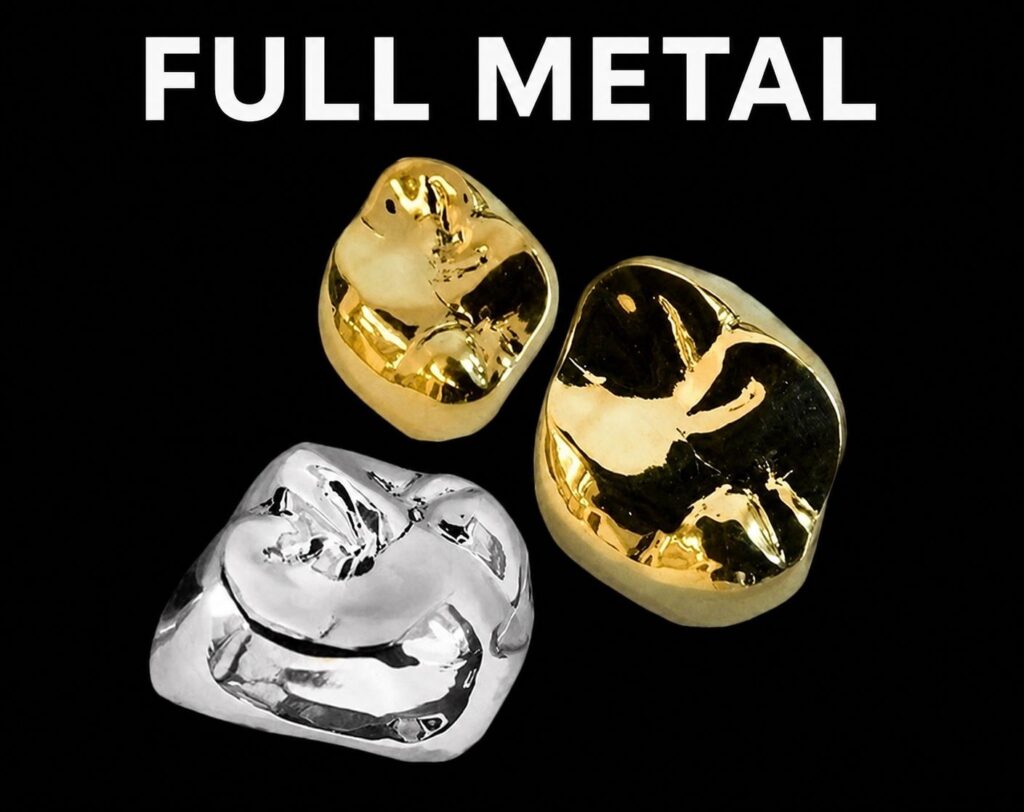
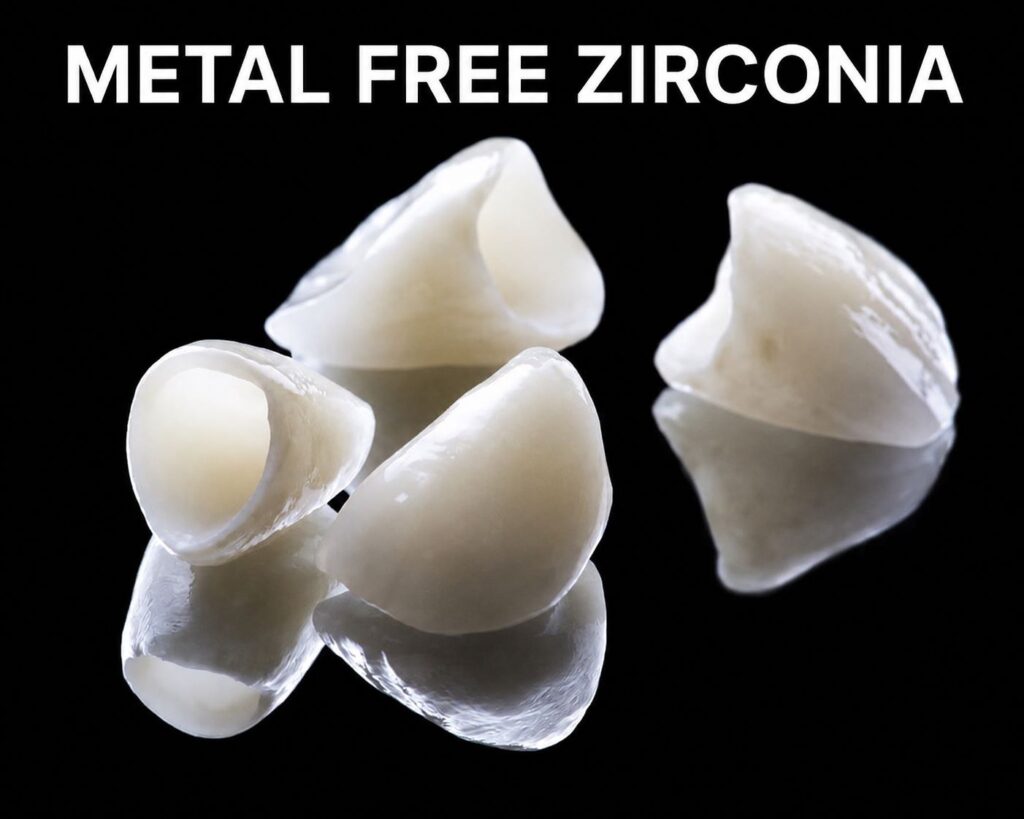
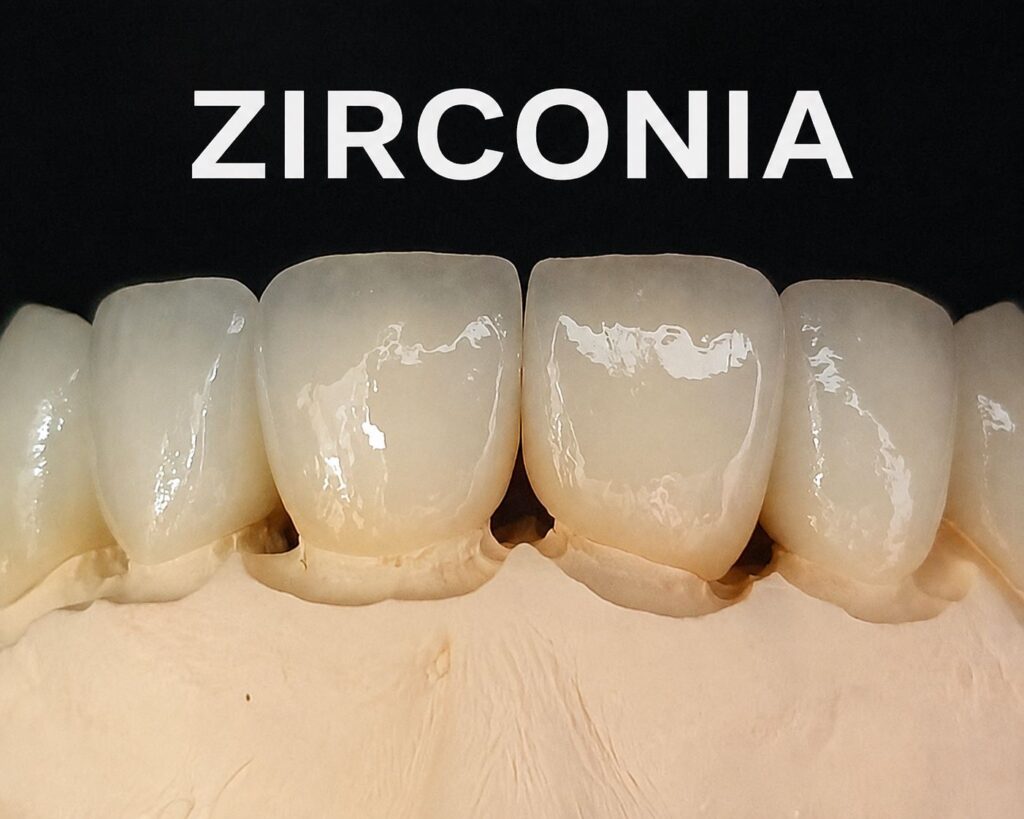
Dental crowns are available in different materials, and the right choice depends on the location of the tooth, the level of support required and the desired appearance. The commonly used options include metal crowns, metal ceramic crowns and metal-free crowns. Each type is designed to suit different treatment needs.
Metal Crown
Metal crowns are made using materials such as titanium, nickel chromium and gold. They are valued for their strength and durability, making them suitable for teeth that are exposed to heavy chewing forces.
Benfits:
- Lightweight
- Resistant to corrosion
- Suitable for patients with metal allergies.
- Requires less tooth trimming before placement.
However, because of their metallic appearance, they are usually not the preferred choice for visible front teeth.
Metal Ceramic Crown
Metal ceramic crowns combine a strong metal base with an outer ceramic layer that closely resembles a natural tooth. This allows them to offer both durability and an improved appearance. They are available in handmade, CAD/CAM and DMLS options based on the manufacturing method used.
Although these crowns provide good strength and a natural-looking finish, they require more tooth trimming than metal-free crowns. In some cases, the ceramic layer may chip over time, and a grey line may become visible near the gum line.
Metal Free Crown
Metal-free crowns are designed for patients who prefer a natural-looking restoration. The commonly used options include Zirconia, Emax, Bruxzir and Lava crowns. These crowns are created using CAD/CAM technology, allowing them to achieve a precise fit.
High-strength zirconia – chosen for back teeth.
Translucent zirconia, layered zirconia, Emax and Lava – chosen for front teeth where a closer colour match is required.
Zirconia Crown
Zirconia crowns are made from zirconium dioxide, a strong white material that provides excellent durability. They can be made thinner than many other crown materials, helping preserve more of the natural tooth. Their opaque appearance also helps cover the colour of the tooth underneath.
Different varieties of zirconia crowns are available to suit different treatment needs.
Monolithic zirconia – known for high strength and is commonly used for back teeth.
Layered zirconia – known for better colour matching for front teeth.
High translucent and ultra-high translucent zirconia – improved aesthetics where a more natural appearance is required.
Emax Crown
Emax crowns are made from a highly aesthetic ceramic material that closely resembles natural teeth. They require minimal tooth trimming and provide excellent shade matching, making them a preferred choice for restoring front teeth. They can also be bonded securely to the tooth. However, compared with some other crown materials, they are less suitable in situations where maximum strength is required.
Cost of Dental Crowns
The cost of a dental crown depends on the material used and the technique involved in making it. Since different types of crowns are designed to meet different treatment requirements, the overall cost may vary. At our clinic, we help patients choose the most suitable crown based on their dental needs, functional requirements and budget.
| Type of crown | Starting cost (in INR) |
|---|---|
| Full metal (cobalt chromium) | 3500 |
| Full metal Titanium | 8000 |
| Acrylic temporary crown | 1000 |
| Metal ceramic | 4500 |
| CADCAM metal ceramic | 5500 |
| DMLS metal Ceramic | 7500 |
| Zirconia monolith | 10000 |
| Zirconia translucent/ultra translucent/ layered | 12000 |
| emax | 13000 |
| Bruxir/ lava | 15000 |
Warranty for Dental Crowns
Most dental crowns come with a warranty from 5 to 15 years, while certain types of crowns may even include a lifetime warranty. The warranty period depends on the type of crown selected.
The warranty covers manufacturing defects in the crown, such as breakage or chipping that may occur due to laboratory-related issues.
Note:
It does not cover problems affecting the natural tooth beneath the crown including tooth fracture, infection or any other condition involving the supporting tooth.
Choosing the right Dental Crown
There is no single dental crown that is suitable for everyone.
The ideal choice depends on several factors –
- Location of the tooth
- Amount of support required
- The desired appearance
For example – back teeth are exposed to greater chewing forces and usually require stronger crown materials, whereas front teeth often require crowns that closely match the natural colour and shape of the surrounding teeth.
Understanding the advantages and limitations of each type of crown helps in selecting the most appropriate option for long-term function and aesthetics.
Caring for your Dental Crown
Although dental crowns are designed to be strong and durable, proper care is required to maintain their condition and extend their lifespan.
To care for your dental crown:
- Brush your teeth twice a day using a soft-bristled toothbrush.
- Floss daily to remove food particles and plaque around the crowned tooth.
- Maintain good oral hygiene to keep the crown and surrounding gums healthy.
- Visit your dentist regularly for routine dental examinations.
- Follow your dentist’s instructions to help maintain the condition of your dental crown.
Signs to replace Dental Crown
A dental crown may need to be replaced if you notice:
- Gaps between the crown and the tooth.
- Wear, cracks or chipping of the crown.
- Food getting trapped around the crown.
- A loose, bulky or ill-fitting crown.
- New decay around the crowned tooth.
- Changes in your bite or discomfort while chewing.
Regular dental examinations help identify these problems early and ensure your dental crown continues to function comfortably and effectively.
What is Dental bridge
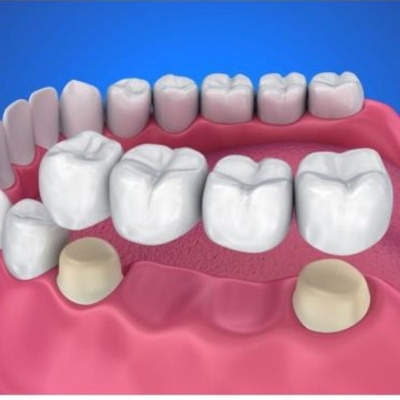
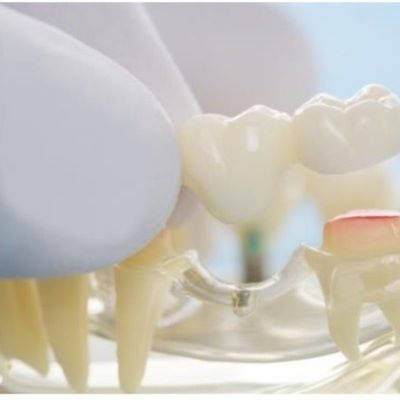
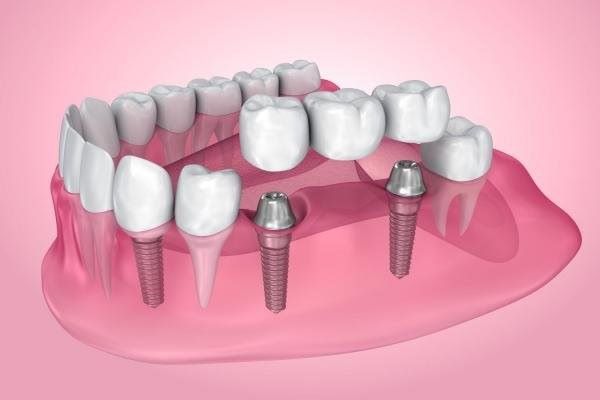
A dental bridge replaces one or more missing teeth by filling the space between the remaining natural teeth. The replacement tooth, also known as pontic, is supported by crowns placed over the healthy teeth on either side of the gap.
Benefits of Dental bridge
- Restores chewing and speech by helping you eat comfortably and communicate clearly.
- Prevents teeth from shifting by maintaining the space created by missing teeth.
- Improves your smile appearance by matching the replacement teeth to the colour and shape of your natural teeth.
Procedure of Dental bridge
A traditional dental bridge is generally completed over two visits within two to three weeks with the bridge prepared, fabricated and finally placed in stages.
First Visit: Preparing the Teeth
- Local anaesthesia is used to keep the procedure comfortable while the supporting teeth are prepared.
- Tooth reshaping creates the space required for the crowns that will support the bridge.
- Dental impressions or Digital scans provide the measurements needed to create the customised bridge.
- Temporary bridge placement protects the prepared teeth until the final bridge is ready.
Laboratory Fabrication
- Digital scan is sent to the lab technician in the dental laboratory to fabricate the permanent bridge.
- Shade matching ensures the colour is also matched to the surrounding natural teeth for a seamless appearance.
Second Visit: Placing the Permanent Bridge
- Temporary bridge removal is carried out before the permanent bridge is placed.
- Fit and bite assessment is performed to check the alignment, bite and colour of the bridge.
- Final Adjustments are made to achieve a comfortable and accurate fit.
- Permanent Cementation secures the custom dental bridge to the prepared abutment teeth.