
Dental Fillings for cavities and tooth decay
Table of Content
What are Dental Fillings?
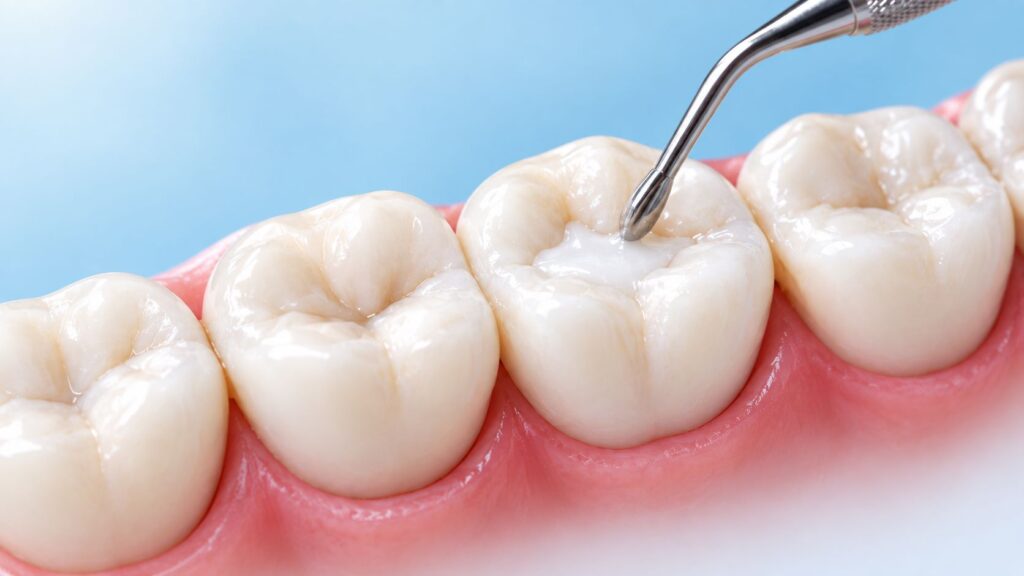
Dental fillings are common restorative treatment used to repair teeth that have been affected by decay, minor fractures or everyday wear. After removing the damaged portion of the tooth, the cleaned area is filled with a suitable dental material to restore its shape, strength and function. This helps protect the tooth from further damage while allowing you to bite and chew comfortably.
Dental fillings not only restores the appearance of the tooth, but also helps to maintain its natural structure.
The most suitable filling material is selected based on –
- Location of the tooth
- Extent of the damage
- Treatment need of the individual
Types of Dental Fillings
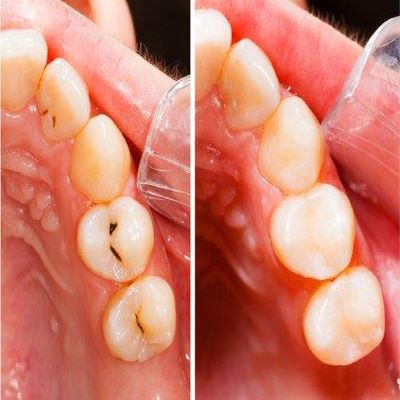
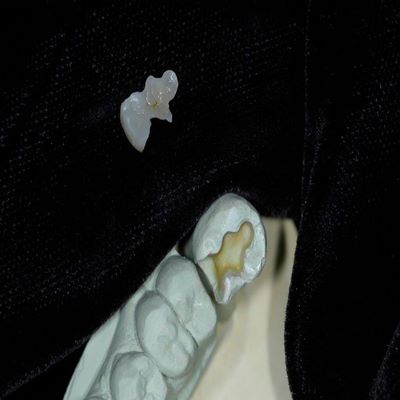
Several types of dental filling materials are available.
It includes –
- Composite Resin Fillings are tooth-coloured restorations that blend naturally with the surrounding teeth. They are suitable for both front and back teeth and are commonly chosen for their natural appearance.
- Amalgam Fillings are made from a combination of metals, known for their strength and durability. They are commonly used for back teeth where the chewing pressure is greater.
- Metal, Zirconia and Emax Inlays are custom-made restorations that are fabricated in a dental laboratory before being bonded to the prepared tooth. They provide a precise fit and are selected based on the clinical requirements of the tooth.
- Glass Ionomer Fillings are tooth-coloured restorations that gradually release fluoride to help in protecting the tooth against further decay. They are commonly recommended for children.
Why are Dental Fillings needed?
Dental fillings plays an important role in restoring teeth affected by cavities or minor damage. Treating the affected area early helps prevent further deterioration, makes the tooth easier to maintain and can reduce the need for more extensive dental procedures later.
Dental fillings are recommended to:
- Stop the progression of tooth decay and protect the tooth from further damage.
- Restore normal chewing and biting function for improved comfort.
- Preserve the natural tooth structure by repairing damaged areas.
- Improve the appearance of the tooth when tooth-coloured fillings are used.
- Reduce tooth sensitivity by sealing the exposed areas of the tooth.
- Releases fluoride which helps to protect the tooth against further decay.
Process of Dental Fillings
The dental filling procedure is a simple and effective way to restore a tooth affected by decay or minor damage.
The treatment generally involves:
- Detailed evaluation of the affected tooth and dental X-rays may be recommended to understand the extent of the decay before treatment begins.
- Preparing the treatment area by giving local anaesthesia, whenever necessary before the damaged portion of the tooth is removed.
- Preparing the tooth for restoration: Once the decay has been eliminated, the cavity is cleaned thoroughly to create a suitable foundation for the filling material.
- Restoring the tooth by carefully placing the selected filling material. Tooth-coloured restorations may be hardened using a curing light for added strength.
- Refining the restoration to achieve the correct bite and polished to provide a smooth, natural finish.
- Treatment is completed and dentist explains the recommended aftercare instructions. Most dental filling procedures are completed within a single appointment, depending on the size and location of the cavity.
Cost of Dental Fillings
The cost of dental fillings depends on the type of filling material selected for the treatment.The most suitable option is recommended after evaluating the condition of the tooth and the patient’s individual treatment needs.
| Type of filling | Starting cost (in INR) |
|---|---|
| Composite Resin | ₹1,000 |
| Glass Ionomer Cement | ₹800 |
| Metal Inlay | ₹4,500 |
| Zirconia / Emax Inlay | ₹11,000 |
Precautions after Dental Fillings
Taking a few simple precautions after the procedure helps in improving the longevity of the filling and supports a comfortable recovery.
After getting a dental filling, it is recommended to:
- Wait until the numbness wears off before eating to avoid accidentally biting your cheek, tongue or lips.
- Expect mild sensitivity to hot or cold foods for a short period. If the discomfort continues, consult your dentist.
- Avoid hard, crunchy and sticky foods during the initial healing period to protect the newly placed filling.
- Maintain good oral hygiene by brushing and flossing regularly to keep the treated tooth clean and healthy.
- Attend your scheduled dental check-ups to ensure the filling remains in good condition and continues to function properly.
- Protect your filling from excessive pressure by discussing treatment options with your dentist if you have a habit of grinding or clenching your teeth.
- Keep an eye on the filling and schedule a dental visit if you notice any wear, damage or persistent discomfort
FAQ
Can I get a filling if my tooth is cracked?
It depends on the size, depth and location of the crack. Minor cracks or damage may sometimes be restored with a filling, while more extensive cracks may require a different type of restoration.
Can a filling fall out?
Yes. A filling can sometimes become loose, chipped or fall out due to wear, biting forces or changes in the tooth. If this happens, the tooth should be examined by a dentist to determine whether the filling needs to be repaired or replaced.
Why does my filled tooth hurt when I bite?
Pain when biting may occur if the filling is affecting your bite or if there is another problem with the tooth. If the discomfort continues, our dentist shall examine the area.
Can a tooth need a root canal after getting a filling?
Yes, in some cases. If the decay was very deep or the tooth’s pulp became damaged or infected, root canal treatment may eventually be required.
How long does a dental filling last?
The lifespan of a filling varies depending on the material used, its size and location, chewing forces and how well the tooth is maintained. Regular dental examinations can help identify when a filling needs attention or replacement.
Can I get a filling if I have gum disease?
It depends on the condition of the tooth and gums. Our dentist may first need to assess or manage the gum problem before deciding on the appropriate restoration.
Can children get dental fillings?
Yes. Children can receive fillings when their teeth develop cavities. The dentist will choose a suitable material and treatment based on the child’s tooth and individual needs
Can I get a filling if I have lost a large portion of my tooth?
It depends on how much healthy tooth structure remains. If too much of the tooth has been lost, a filling may not provide enough support and another type of restoration may be more suitable.
Can tooth decay come back after getting a filling?
Yes. A filling treats the existing damaged area but does not prevent new decay from developing elsewhere or around the restoration. Good oral hygiene and regular dental care remain important.
Why does food keep getting stuck around my filling?
Food getting trapped may indicate that the filling or the contact between neighbouring teeth needs to be checked. Our dentist can examine the area and determine whether the restoration needs adjustment.
Why does my filling feel rough or sharp?
A rough or sharp area may be caused by the surface of the filling or a change in the restoration. If it continues to bother you, contact the dentist to get the fillings checked, if any adjustments are needed.
Can dental fillings be used for worn-down teeth?
Fillings may sometimes be used to restore teeth affected by minor wear, depending on the cause and extent of the damage. More extensive wear may require a different treatment approach.
Can I get a filling during pregnancy?
Dental treatment may be possible during pregnancy. It is always recommended to inform the dentist that you are pregnant so the treatment, X-rays and any medications can be planned appropriately.
Can a dental filling be repaired instead of replaced?
Sometimes. If only a small part of the filling is damaged and the surrounding tooth remains healthy, repair may be possible. Our dentist will assess the restoration and recommend whether repair or replacement is more appropriate.